
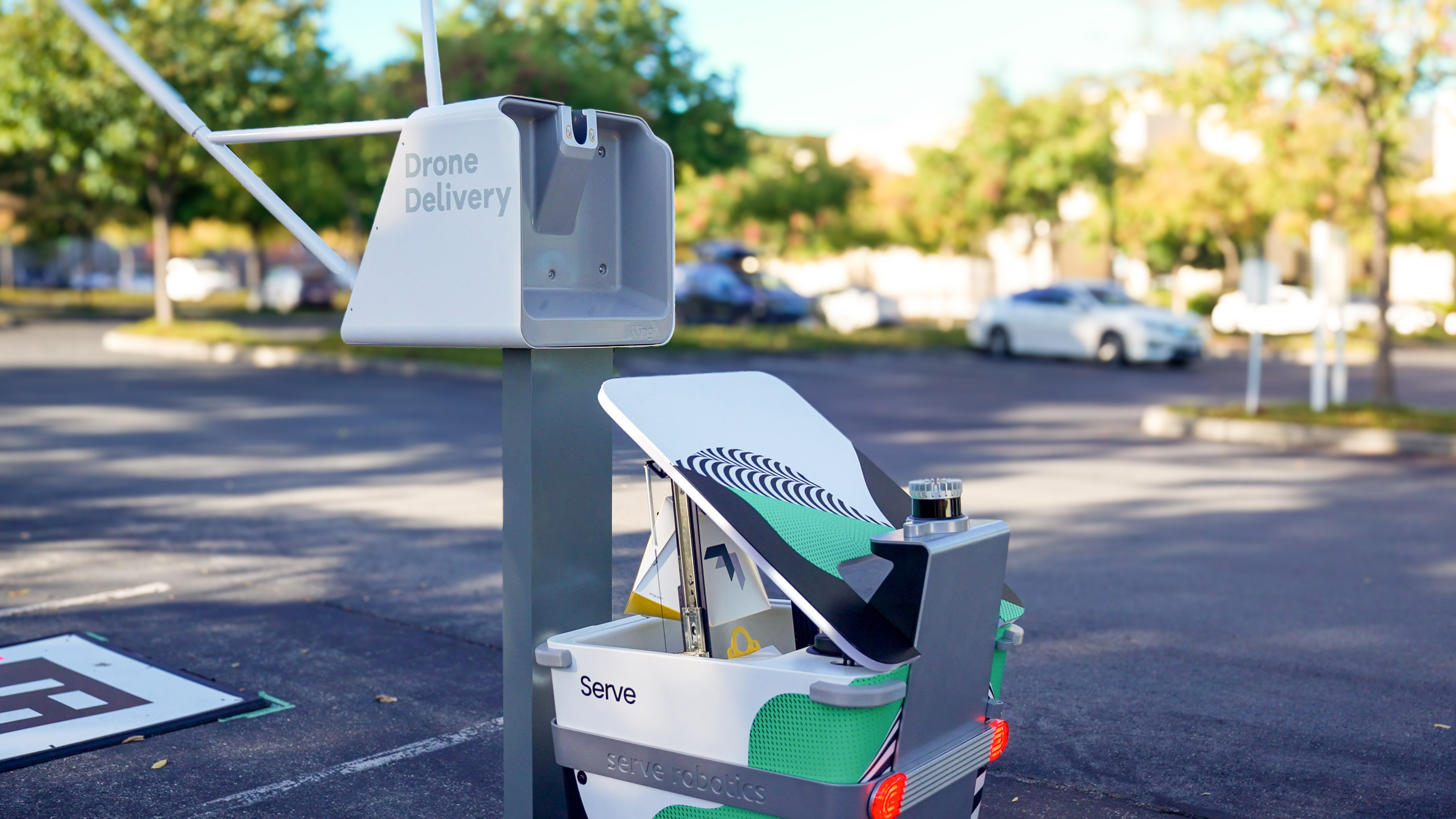
While the world waits for self-driving cars to take over the highways, a different autonomous revolution is already happening on our sidewalks. “Personal Delivery Devices” (PDDs)—six-wheeled rovers carrying burritos, groceries, and packages—are becoming common sights in college towns and urban centers. For the logistics business, these bots represent the “holy grail” of the Last Mile—slashing delivery costs by removing the human driver. But for pedestrians, cyclists, and the disabled community, they represent a new, unpredictable obstacle.
The Legal Status of a Rover
Is a delivery bot a vehicle? Is it a pedestrian? The legal classification varies wildly by state. Some states have granted these devices the rights of a pedestrian, meaning they have the right of way on crosswalks. Others classify them as low-speed vehicles.
This classification matters immensely for liability. If a cyclist crashes into a delivery bot that “froze” in the middle of a bike lane, the insurance claim depends entirely on the bot’s legal status. If it is a “pedestrian,” the cyclist might be at fault. If it is a “vehicle,” the operator is likely liable.
Who is Driving?
Most PDDs operate with “human-in-the-loop” oversight, meaning a remote operator monitors multiple bots via camera feeds, often from a call center thousands of miles away. In the event of an accident, this creates a complex liability chain. Was the sensors’ software defective? Did the remote monitor fall asleep? Or was the bot’s pathing algorithm flawed? Unpacking this technology requires forensic data analysis. Attorneys specializing in vehicular negligence, such as the team at Shindler & Shindler, are now having to subpoena server logs and camera feeds to prove negligence in what used to be simple “trip and fall” cases.
The Accessibility Clash
The biggest societal pushback comes from disability advocates. A delivery bot stalled on a wheelchair ramp can essentially trap a person with limited mobility. This has led to lawsuits citing the Americans with Disabilities Act (ADA), arguing that cities allowing these bots are failing to maintain accessible public rights-of-way.
Conclusion
The convenience of robot delivery is undeniable, but the public space is finite. As businesses flood the sidewalks with autonomous couriers, the legal system will have to draw hard lines between commercial efficiency and public safety.


More Stories
The Unstoppable Mindset: How to Cultivate Greatness Within
Unlocking the Code to Greatness: Your Blueprint for Extraordinary Achievement
The Relentless Pursuit: How to Rewire Your Mind for Greatness