
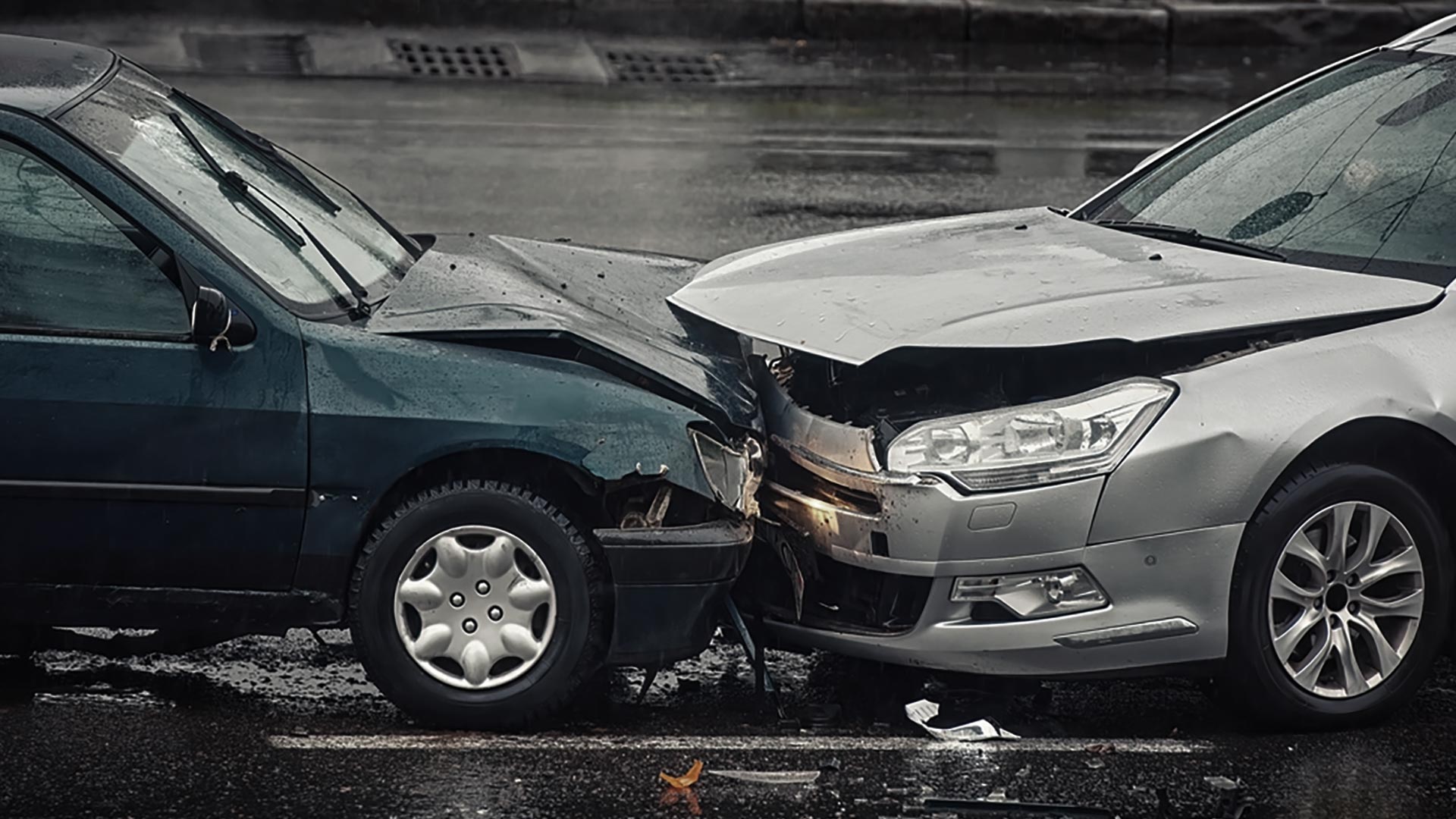
A car accident is a traumatic event that happens in a matter of seconds, yet its aftermath can stretch on for months or even years. In a perfect world, the driver who caused the collision would step out of their vehicle, apologize, and cooperate fully with the insurance process. However, reality is often much more complicated. It is a common occurrence for an at-fault driver to deny responsibility, either out of fear of rising insurance premiums, a misunderstanding of traffic laws, or a genuine but mistaken belief that they did nothing wrong. When the person who hit you refuses to take blame, your path to compensation becomes an uphill battle. Navigating this car accident lawyers in Houston scenario requires a calm head, a systematic approach to evidence, and an understanding of how the legal and insurance systems resolve disputes over liability.
The Immediate Impact of a Liability Dispute
When an at-fault driver denies responsibility, the most immediate consequence is a delay in your insurance claim. Typically, insurance companies prefer to reach a settlement quickly to close the books. However, if their client insists they are not to blame, the insurer has a legal obligation to defend their policyholder. This means that instead of receiving a prompt check for your vehicle repairs and medical bills, you may receive a letter stating that the claim is being investigated or has been denied entirely.
This denial can place a significant financial strain on the victim. Without the other driver’s insurance stepping up to pay, you may be forced to use your own collision coverage to fix your car, which often involves paying a deductible out of pocket. Furthermore, your own health insurance may have to cover your initial medical costs, with the expectation that they will be reimbursed later through a process called subrogation. A denial of responsibility transforms a straightforward administrative task into a complex legal dispute that requires proactive management.
The Role of the Police Report and Official Documentation
In the wake of a denial, the police report becomes one of the most critical pieces of evidence. While a police officer’s opinion on fault is not always the final word in a civil court case, insurance adjusters give it significant weight. If the officer on the scene interviewed both parties and issued a citation to the other driver for a traffic violation—such as failing to yield or following too closely—this serves as a powerful counter-argument to the driver’s denial.
However, sometimes the police report is inconclusive, or the officer may not have shown up at the scene if there were no injuries. In these cases, you must rely on other forms of official documentation. This includes photos of the damage to both vehicles. The point of impact can often tell a clear story that contradicts a verbal statement. For example, if a driver claims you swerved into them, but the damage to your car is on the rear bumper, the physical evidence suggests a rear-end collision, for which the following driver is almost always at fault.
Gathering Independent Witness Testimony
A denial of responsibility often boils down to a classic case of one person’s word against another’s. In these “he-said, she-said” scenarios, independent witnesses are the tie-breakers. A witness is someone who saw the accident occur but has no personal or financial stake in the outcome. This might be a pedestrian on the sidewalk, a driver in another lane, or even a nearby shop owner who heard the crash and looked up in time to see the positions of the cars.
Collecting witness contact information at the scene is vital because people’s memories fade quickly, and they may be difficult to track down later. An independent witness can provide a neutral account of the events, such as confirming that the other driver ran a red light or was looking at a cell phone at the moment of impact. Insurance adjusters and juries find these third-party accounts highly persuasive because the witness has no reason to lie.
Conclusion
The denial of responsibility by an at-fault driver is a frustrating and stressful complication, but it is not the end of your case. It is simply a signal that the process will require more work and more evidence. By methodically gathering police reports, witness statements, physical evidence, and digital data, you can build a wall of facts that is much stronger than a driver’s simple refusal to take blame. It is important to remain patient and avoid engaging in arguments with the other driver at the scene or on social media. Instead, let the evidence speak for itself. While a denial may slow down the process, the combination of professional legal guidance and a solid foundation of truth ensures that, in the end, justice and fair compensation are still within reach.


More Stories
The Unstoppable Mindset: How to Cultivate Greatness Within
Unlocking the Code to Greatness: Your Blueprint for Extraordinary Achievement
The Relentless Pursuit: How to Rewire Your Mind for Greatness