
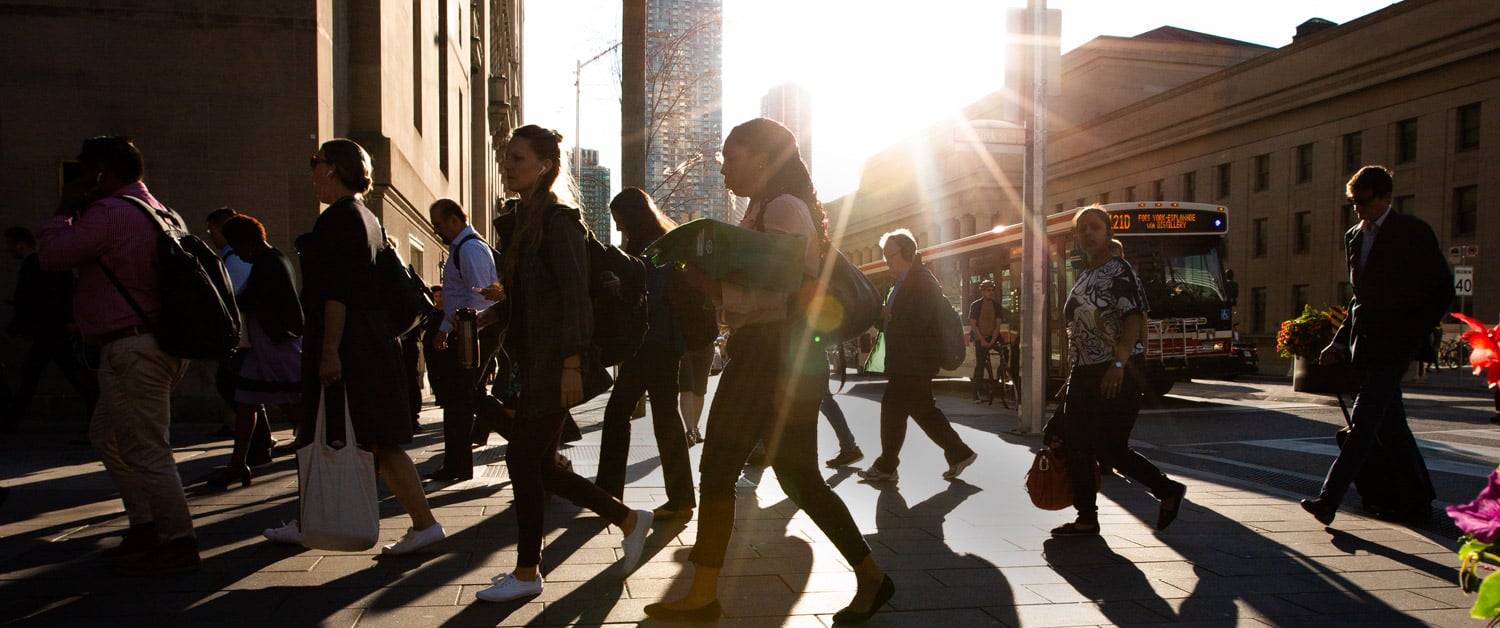
In every election cycle, “infrastructure” is a buzzword. Politicians promise to fix potholes, repair crumbling bridges, and modernize public transit. However, once the ballots are cast, the reality of budget deficits often sets in. Funds are diverted, maintenance is deferred, and the physical condition of public spaces deteriorates. This political neglect has a direct legal consequence. When a citizen is injured due to a poorly maintained sidewalk, a malfunctioning traffic signal, or a massive pothole, the lines between political policy and legal liability blur. Who is responsible when the government itself is the negligent party?
The Shield of Sovereign Immunity
Historically, the government was protected by a concept called “sovereign immunity,” which essentially meant the King could do no wrong. In modern American law, this concept still exists but in a modified form. You can sue the government, but the rules are vastly different than suing a private citizen or a corporation. Most states have “Tort Immunity Acts” that protect municipalities from lawsuits unless specific conditions are met. For example, to win a claim against a city for a pothole accident, a plaintiff often must prove that the city had “actual or constructive notice” of the defect and failed to fix it within a reasonable time. This high burden of proof is a deliberate policy choice designed to protect taxpayer funds from constant litigation.
The Role of Legal Counsel in Public Accountability
Because the procedural hurdles are so high—often involving strictly shortened statutes of limitations (sometimes as short as one year)—victims of public infrastructure failure rarely succeed without specialized legal help. This is where the private legal sector acts as a check on government negligence. By holding municipalities accountable for maintenance failures, civil litigation forces politicians to prioritize safety in their budgets. Firms that specialize in this complex niche, such as Shindler & Shindler, often have to navigate a maze of bureaucratic red tape to prove that a city’s failure to act was not just an oversight, but a breach of public duty.
The Policy Debate
Critics argue that these lawsuits drain public coffers that could be used for improvements. However, legal scholars argue the opposite: that the threat of liability is the only financial incentive strong enough to force cash-strapped local governments to address dangerous conditions before they turn fatal.
Conclusion
The condition of our roads and public spaces is a political decision, but the safety of the people using them is a legal right. When that right is violated by government inaction, the courtroom becomes the final venue for accountability.


More Stories
The Unstoppable Mindset: How to Cultivate Greatness Within
Unlocking the Code to Greatness: Your Blueprint for Extraordinary Achievement
The Relentless Pursuit: How to Rewire Your Mind for Greatness